Source Rechargeable 5mhz Rf Facial Massager for Salon, Home, and Clinic
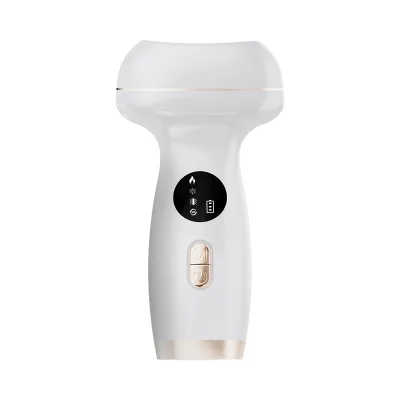
Explore 30 options for the rechargeable 5mhz rf facial massager, featuring LED light therapy and micro-vibration modes. Compare specifications like battery capacity, heating temperature, and plug types to find suitable beauty equipment for face lifting and skin tightening applications; compare the available evidence and request quotations based on your requirements.
Key considerations
Products List









Comprehensive Sourcing Guide
Rechargeable 5mhz rf facial massager Sourcing Guide
Buyers must first distinguish between devices claiming laser technology and those utilizing Radio Frequency (RF) or LED light therapy, as the supplied data shows conflicting theoretical claims for similar product names. While some listings describe a "Neck Lifting Massager" with laser theory, others explicitly cite RF technology for skin tightening, requiring careful verification of the actual mechanism before procurement. This distinction is critical because the operational physics and safety protocols for RF devices differ significantly from optical laser systems, affecting both regulatory compliance and user safety expectations.
Procurement teams should also scrutinize the specific model numbers and functional descriptions to ensure the device matches the intended application of face lifting and skin tightening. The observed product range includes models like the KFL-701 and PRF-A1, which feature distinct battery capacities and power outputs, necessitating a clear definition of the required performance metrics. Without aligning the specific model specifications with the buyer's target market needs, there is a risk of acquiring units that lack the necessary power or feature set for effective commercial or retail deployment.
Product Scope and Observed Listing Signals
The market for rechargeable RF facial massagers presents a wide variance in physical attributes, with observed weights ranging from 0.3kg to 140g and dimensions varying significantly between compact handheld units and larger systems. Buyers should note that while some products are marketed as portable with specific battery capacities like 500mAh or 420mAh, others may rely on different power supply configurations that affect their usability in salon versus home environments. Understanding these physical constraints is essential for determining shipping costs and ensuring the device fits the ergonomic requirements of the end-user.
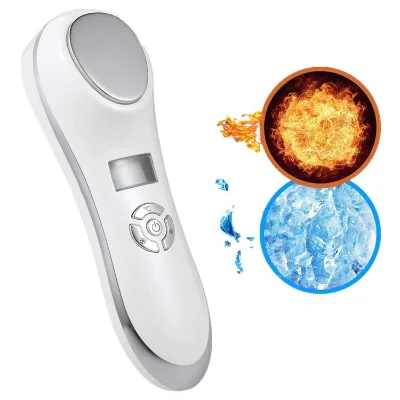
Listing signals also reveal diverse functional capabilities, including features like heating temperatures up to 45°C, multi-color LED light therapy, and various vibration modes ranging from soft to strong. However, the presence of features such as "Face Lifting" or "Blood Vessels Removal" must be treated as observed product attributes rather than guaranteed clinical outcomes for every unit in the category. Buyers need to verify that the specific model they select actually supports the claimed functions, such as the 20-minute usage time or specific charging durations, to avoid discrepancies between marketing claims and actual product performance.
Technical Specifications to Verify
Technical due diligence requires a rigorous check of the electrical specifications, particularly the battery voltage and capacity, which are listed as 3.7V with varying mAh ratings across different models. Buyers must confirm whether the device utilizes a Lithium Polymer battery with a stated capacity of 420 mAh or other configurations, as this directly impacts the device's standby time and operational duration per charge. Verifying the charging time, which can range from 90 minutes to longer periods, is equally important to ensure the device meets the operational tempo required for professional salon use or frequent home application.
Power consumption and output settings are another critical area for verification, with observed power ratings as low as 2.5W and specific heating temperatures capped at 45°C. Procurement teams should validate that the device supports the claimed operation systems, such as high-frequency modes, and confirm the compatibility of plug types like US or EU standards for the target export market. Additionally, the absence of waterproofing in many listed units necessitates a clear understanding of the operating environment to prevent damage, ensuring the device is suitable for the intended dry-use applications in beauty salons or residential settings.
Compliance and Safety Documentation
Safety compliance for RF and LED beauty devices hinges on verifying the presence of recognized certifications, such as CE, which is noted in the background data but requires confirmation for specific batches. Buyers should request test reports that validate the device's electrical safety and electromagnetic compatibility, ensuring that the RF emission levels and LED light intensities fall within safe limits for human skin exposure. Without these documents, importing these devices into regulated markets could lead to customs seizures or legal liabilities, making the verification of safety standards a non-negotiable step in the sourcing process.
Documentation must also cover the warranty terms and the manufacturer's liability for product defects, as the observed listings often include a one-year warranty period. It is essential to confirm that the warranty covers battery degradation and heating element failures, which are common points of failure in rechargeable beauty devices. Buyers should ensure that the supplier provides clear instructions for safe operation, including the maximum usage time of 20 minutes per session, to mitigate risks associated with overheating or prolonged exposure to RF energy.
Cost Drivers and Commercial Terms
The cost of these devices is heavily influenced by the complexity of the internal electronics, including the battery chemistry, heating elements, and LED arrays, which drive the observed price range from $1 to over $4500. Buyers must analyze whether the higher price points correlate with superior build quality, such as the use of ABS materials and more robust packaging like gift boxes versus standard cartons, or if they reflect inflated marketing claims. Understanding the cost structure helps in negotiating better terms and identifying suppliers who offer genuine value through durable construction and reliable performance rather than just aesthetic packaging.
Commercial terms such as Minimum Order Quantity (MOQ) and lead times vary significantly, with observed MOQs ranging from 1 to 3000 units, impacting the feasibility of small-scale testing versus bulk procurement. Buyers should clarify the payment terms and shipping logistics, especially given that the products originate from China and may require specific handling for lithium batteries during transport. Establishing clear agreements on packaging standards, such as the use of gift boxes for retail-ready units, is also crucial to ensure the product arrives in a condition that meets the brand's presentation requirements.
Supplier Qualification and Quality Control
Supplier qualification should focus on verifying the manufacturer's ability to maintain consistent quality across different production batches, particularly regarding the battery capacity and charging efficiency. Buyers must assess whether the supplier has a track record of producing devices that meet the specified weight and dimension standards, such as the 1634653mm size or the 118g standard weight, to ensure product uniformity. A robust quality control process is essential to prevent issues like battery swelling or inconsistent heating temperatures, which can lead to customer complaints and returns.
Quality control protocols must also include pre-shipment inspections to verify that the devices function correctly with their claimed features, such as the multi-mode vibration and LED light therapy. Buyers should require a sample batch to be tested for durability and performance before committing to a larger order, ensuring that the product meets the expected standards for face lifting and skin tightening. Establishing a clear communication channel with the supplier for addressing any quality deviations is vital for maintaining the integrity of the brand and ensuring customer satisfaction.
Long-Term Procurement Checks
Long-term procurement success depends on establishing a reliable supply chain that can consistently deliver products with the same technical specifications and safety certifications over time. Buyers should monitor the supplier's ability to maintain the battery capacity and power output standards, as these are critical for the device's performance and user experience. Regular audits of the production process can help identify potential issues early, ensuring that the devices continue to meet the required standards for face lifting and skin tightening without degradation in quality.
Sustainability and after-sales support are also key factors for long-term procurement, as buyers need to ensure that the supplier can provide replacement parts or technical support for the devices. This includes verifying the availability of spare batteries or charging cables, which are essential for maintaining the device's functionality over its lifespan. By building a strong relationship with the supplier and maintaining open lines of communication, buyers can ensure a steady supply of high-quality rechargeable RF facial massagers that meet the evolving needs of their customers.
FAQs
Can this rechargeable 5mhz rf facial massager be used at home?
Yes, the device is designed for both salon and home use. It features a portable ABS body weighing 0.3kg, making it easy to handle. The unit includes a 3.7V 500mAh battery and supports USB charging. Users can operate it for up to 20 minutes per session safely.
What technology does the rechargeable 5mhz rf facial massager use?
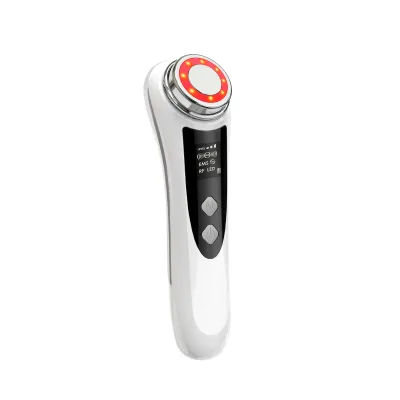
The device utilizes LED light therapy and RF technology for facial treatments. It emits red, blue, and green lights to target skin concerns. The heating temperature reaches 45 degrees Celsius to enhance absorption. This combination supports face lifting, skin tightening, and lightening functions effectively.
How long does the battery last on the rechargeable 5mhz rf facial massager?
The battery provides up to 60 minutes of continuous usage time per charge. It requires approximately 90 minutes to fully recharge via USB. The standby time is also 60 minutes. This capacity ensures sufficient power for multiple treatment sessions without frequent interruptions.
What are the dimensions of the rechargeable 5mhz rf facial massager?
The device measures 163 by 46 by 53 millimeters. It weighs 0.3kg for portability. Some variants measure 300 by 104 by 50 millimeters and weigh 140g. These compact sizes allow for easy storage and convenient handling during facial massage routines.
Is the rechargeable 5mhz rf facial massager waterproof?
No, the device is not waterproof. Users should avoid exposing it to water or moisture during operation. The ABS material construction requires dry conditions for safe use. Always keep the unit away from sinks or showers to prevent electrical damage.
What warranty is provided for the rechargeable 5mhz rf facial massager?
The product comes with a one-year warranty. This coverage protects against manufacturing defects and ensures quality assurance. Buyers can rely on this support period for peace of mind. The warranty applies to the electronic components and structural integrity of the device.